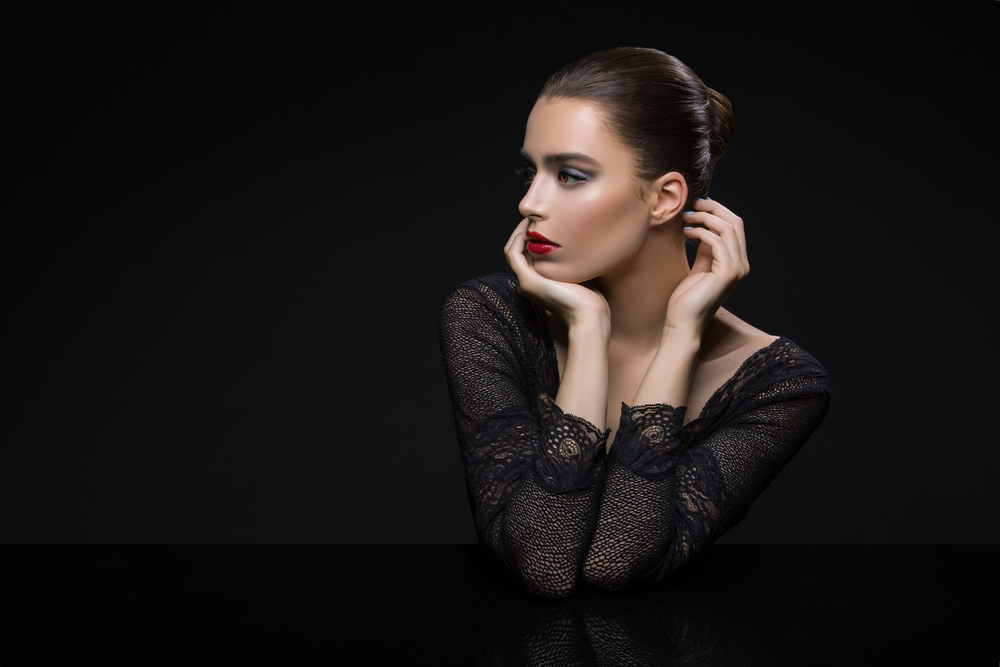
The Art of Modeling: Unveiling the Secrets Behind the Glamour Industry in Photoshoots
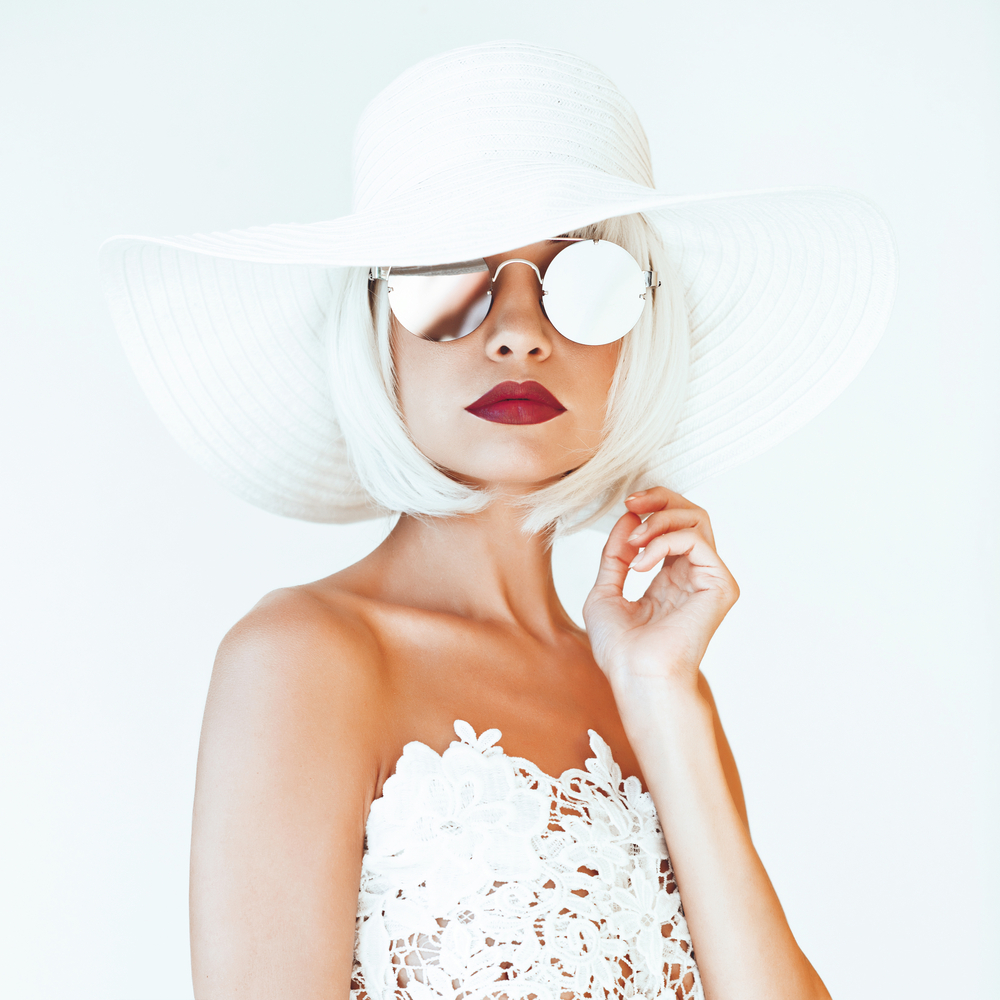
Glamour, beauty, and allure. These are words often associated with the world of modeling . Models, with their chiseled features, flawless skin, and perfect physique, seem to effortlessly captivate us from pages of magazines, billboards, and social media feeds. But behind the scenes of every stunning photoshoot lies a carefully orchestrated process that makes these images come to life. In this article, we will dive into the world of modelling , uncovering the secrets and techniques that contribute to the glamour industry's enchanting visuals.
The Role of a Model
Models play a crucial role in the fashion and glamour industry. They are the faces that bring life to a designer's vision, showcasing clothing, beauty products, and accessories. A model's primary objective is to convey the intended message of the brand or designer through their physical appearance and poses. They act as living mannequins, breathing life into the designer's creations. The diverse range of modeling includes runway, editorial, commercial, plus-size, and many more, each requiring different skill sets and characteristics.
The Art of Posing
One of the key skills a model must possess is the ability to pose gracefully and convincingly. Posing is not limited to standing still; it involves conveying emotions, moods, and attitudes through body language. Models must learn to create aesthetically pleasing lines with their bodies, emphasizing the clothing or product they are showcasing. They are trained to understand their best angles and highlight their unique physical features, making every shot count. Nail the pose, and the resulting image becomes a work of art.
The Power of Expression
While appearance is undoubtedly crucial in modeling, a model's ability to express various emotions and attitudes is equally significant. Models must go beyond the mere physicality of their looks and embody different characters or narratives. A successful model can convey longing, joy, sensuality, or confidence with just a single glance. The eyes, often referred to as the windows to the soul, play a pivotal role in capturing the viewer's attention and creating a connection. Expression is an art form in itself, giving depth and personality to every image.
The Importance of Collaboration
A successful photoshoot is the result of a collaborative effort between several professionals, including the model, photographer, stylist, makeup artist, and many more. Each person brings their expertise and creative vision to the table, working harmoniously to create a unified vision. Models must be adaptable and open to direction, as photographers guide them to achieve the desired outcome. It is through teamwork and collaboration that the magic of a spectacular photoshoot comes to life.
Navigating the Industry
Like any other profession, modeling has its own set of challenges and obstacles. It requires perseverance, thick skin, and determination to thrive in the industry. Models often face rejection, long working hours, and immense competition. However, with patience, honing their craft, and developing a strong network, models can carve out a successful career. It is essential for aspiring models to understand the industry, research reputable agencies, and build a portfolio that showcases their versatility and unique qualities.
Frequently Asked Questions
Q: What are the different types of modeling?
A: Modeling encompasses a wide range, including runway, editorial, commercial, plus-size, fitness, and many more. Each type has specific requirements and focuses on different aspects of the industry.
Q: Are there any height and weight requirements to become a model?
A: The height and weight requirements vary depending on the type of modeling. Runway models are typically taller, while commercial models have more flexibility. Plus-size models challenge traditional beauty standards by embracing diverse body types.
Q: How do models prepare for a photoshoot?
A: Preparation for a photoshoot involves skincare, fitness, and understanding the concept of the shoot. Models maintain a healthy lifestyle, ensuring their skin is in top condition and their physique is camera-ready.
Q: Can anyone become a model?
A: While the modeling industry has become more inclusive in recent years, certain standards and criteria exist. However, there is space for diverse looks, body types, and personalities in various niches of the industry.
Q: How can models protect themselves in the industry?
A: Models should research and choose reliable agencies, read contracts carefully, and have a support system in place. It is important to have a clear understanding of rights, boundaries, and personal well-being in the industry.
In conclusion, modeling is an art that goes beyond aesthetics. It requires skill, collaboration, and the ability to express emotions and narratives through poses and expressions. Models are an essential component of the glamour industry, bringing brands' visions to life and captivating audiences worldwide. By understanding the intricacies of the modeling world, we can appreciate the immense talent and hard work that goes into every stunning photoshoot.
Other useful resources
- https://www.planetmodelphoto.com
- https://en.wikipedia.org/wiki/Modeling_agency
- https://en.wikipedia.org/wiki/Category:Modeling_(profession)
- https://en.wikipedia.org/wiki/Category:Models_by_modeling_agency